
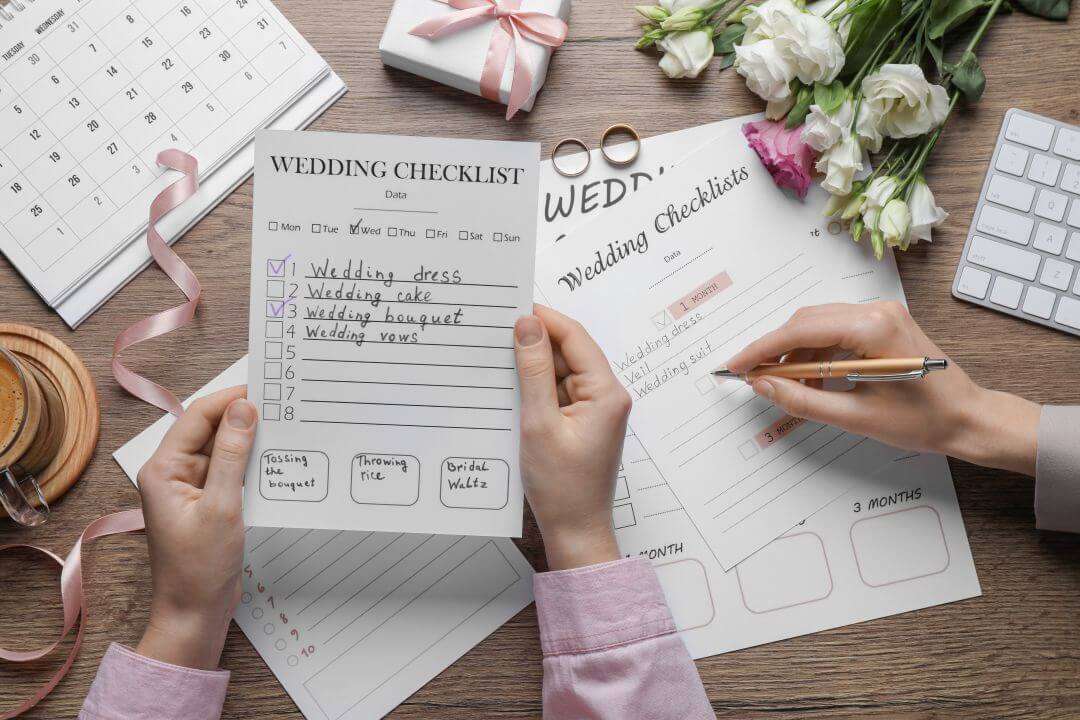
How Couples Can Plan An Organized Wedding at Their Ideal Venue
Planning a wedding at your dream venue is one of the most exciting seasons of your life. It’s also one of the most detail-heavy. Couples often juggle contracts, décor ideas, guest lists, vendor emails, and rehearsal logistics—all while trying to enjoy their engagement. The key isn’t doing more. It’s building smart systems that keep everything visible, accessible, and on track.
A Quick Overview
- Organization reduces stress more than any single décor decision ever will.
- A master planning timeline prevents last-minute chaos.
- Centralized vendor communication eliminates confusion and duplicate work.
- Tracking layouts and décor decisions avoids costly mistakes.
- Rehearsal-day logistics deserve just as much planning as the ceremony itself.
When your systems are solid, you can focus on what actually matters: celebrating your love in a space you adore.
Start With a Master Planning Timeline
A dream venue often comes with stunning views, flexible layouts, and unique features. It also comes with deadlines. Final headcounts. Vendor access windows. Décor installation times.
A master timeline keeps you ahead of those moments instead of reacting to them.
How to Build One
- Anchor key dates first: booking confirmation, catering deadlines, final payment schedules, and rehearsal time.
- Work backward from your wedding day: set décor decisions at least 60 days out, rentals at 90 days, attire fittings earlier.
- Assign responsibility: note whether you, your partner, a planner, or a family member owns each task.
- Include venue walkthroughs: schedule at least one detailed layout review before finalizing seating and décor.
Think of this as your wedding’s command center. If it’s not on the timeline, it doesn’t exist.
The Power of a Single Digital Planning File
A centralized digital planning file becomes your portable wedding binder. Contracts, quotes, floor plans, décor mockups, and timelines should live together in one master document. When you consolidate everything into a single PDF, you eliminate version confusion and endless scrolling through separate files.
Using a simple online tool to merge PDF files allows you to combine vendor contracts, layout drafts, and updated schedules into one organized document. Bring that file to venue walkthroughs and vendor meetings so every detail is at your fingertips. It’s efficient, clean, and incredibly reassuring.
Tracking Layout & Décor Decisions
Your venue layout influences everything: guest experience, photography angles, traffic flow, and even sound quality.
Here’s a simple tracking system to keep décor aligned with your space:
|
Decision Area |
What to Confirm |
Why It Matters |
|
Ceremony Layout |
Aisle width, seating count |
Ensures smooth processional |
|
Reception Floor Plan |
Table placement, dance floor size |
Prevents overcrowding |
|
Décor Install Times |
Vendor access window |
Avoids rushed setup |
|
Power Access |
DJ, lighting, catering needs |
Prevents technical issues |
|
Indoor option readiness |
Peace of mind |
Updating this table after each planning meeting keeps your design cohesive and your vendors aligned.
Preparing for Rehearsal Day Logistics
Rehearsal day is often underestimated. It’s your test run.
Instead of winging it:
- Confirm who is responsible for bringing marriage license paperwork
- Create a printed ceremony order for the wedding party
- Walk through timing from procession to recessional
- Assign someone to manage personal items (rings, bouquet, vow books)
A smooth rehearsal builds confidence—and reduces wedding-day nerves.
Why Venue Choice Shapes the Entire Experience
Choosing the right venue eliminates stress before planning even begins. A thoughtfully designed space reduces logistical friction and supports your vision from start to finish.
Windy Hill Events offers couples a setting designed for both beauty and practicality. With versatile event spaces, scenic backdrops, experienced staff, and flexible layouts, the venue supports smooth coordination from engagement photos through the final dance. Having a team that understands flow, timing, and layout options simplifies decisions that might otherwise feel overwhelming. When a venue anticipates common planning challenges, couples spend less time troubleshooting and more time celebrating.
One Helpful Resource for Staying on Track
Many couples find it helpful to use structured planning checklists to avoid missing important steps. The Knot offers a free, comprehensive wedding planning checklist that breaks tasks down by timeline and category.
Even if you customize it to fit your venue and vision, having a structured starting point can dramatically reduce oversight.
Frequently Asked Questions
How early should we start organizing wedding details?
As soon as you book your venue. Major decisions—like catering and rentals—often depend on the space.
Do we need a wedding planner to stay organized?
Not necessarily. Clear systems, shared documents, and consistent communication can be enough for many couples.
How do we prevent last-minute chaos?
Finalize major décor and vendor decisions at least 60 days before the wedding. Use a master timeline and consolidated planning file.
What’s the most overlooked organizational detail?
Rehearsal-day logistics. Confirm roles, paperwork, and ceremony flow in advance.
Wedding planning doesn’t have to feel overwhelming. When you build thoughtful systems—timelines, centralized communication, and consolidated planning files—you replace chaos with clarity.
Recent Comments